How to Stay Safe in Rainy Weather in the Caribbean
Travelling to the Caribbean during rainy season? Learn how to stay safe during heavy rain, flash floods, thunderstorms and hurricanes with these essential travel tips.
How to Stay Safe in Rainy Weather When Travelling to the Caribbean
Introduction
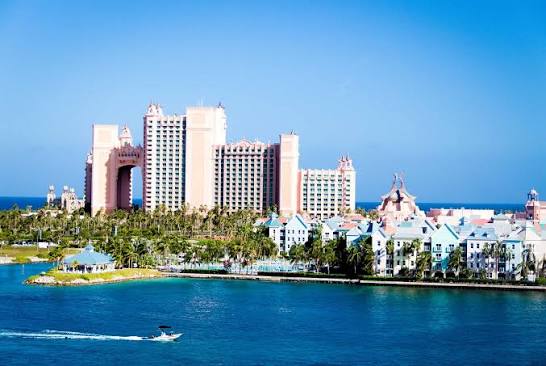
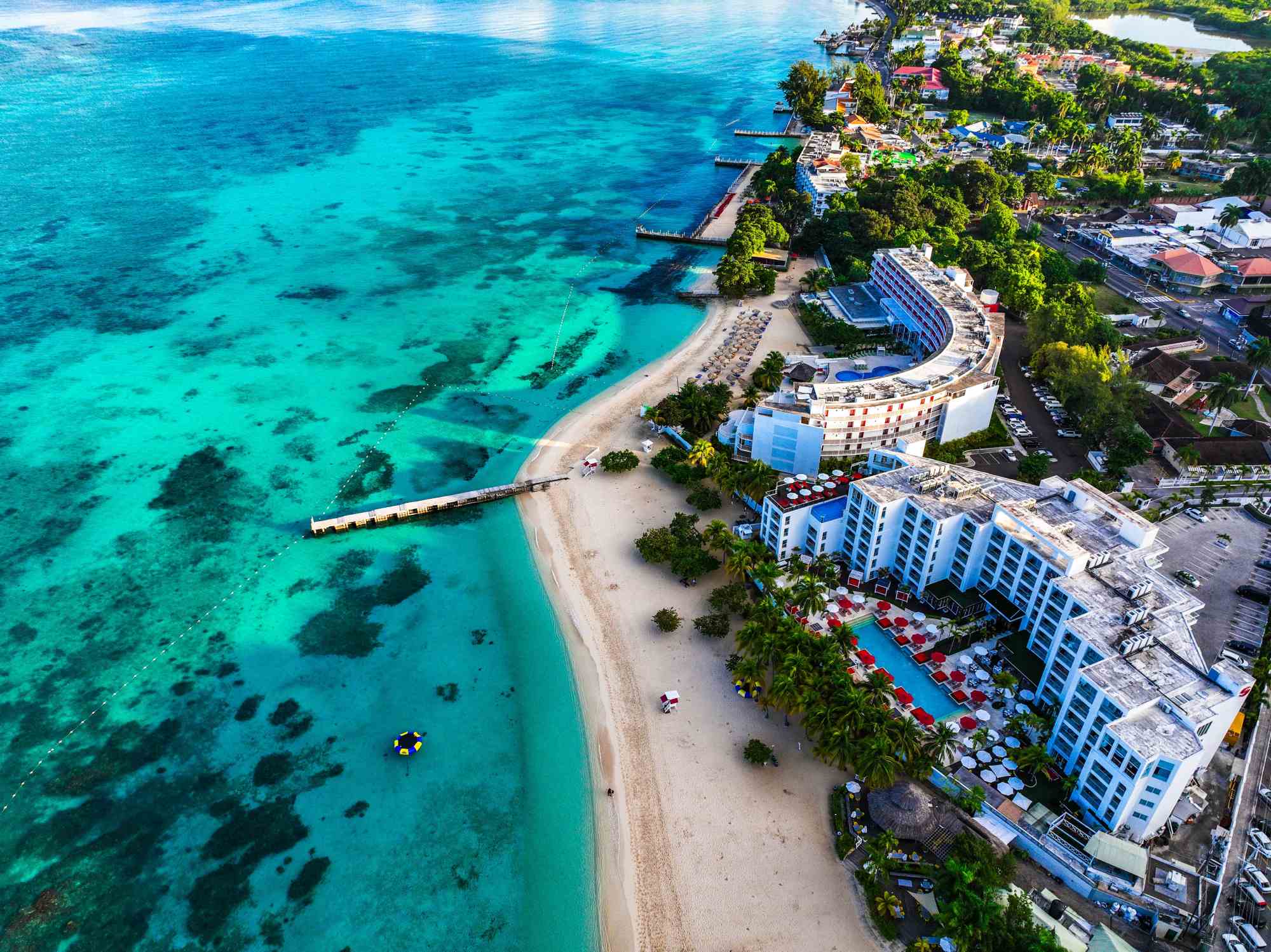
The Caribbean is known for its beautiful beaches, warm weather, tropical landscapes and unforgettable island experiences. However, the weather can change quickly, and a sunny morning can sometimes turn into a heavy afternoon downpour.
Whether you are planning a beach holiday in Jamaica, exploring the Dominican Republic, visiting Barbados or island-hopping through the Eastern Caribbean, understanding how to prepare for rainy weather can help you enjoy your trip more safely.
Rain does not automatically mean your holiday is in danger. Short tropical showers are common in many Caribbean destinations. The important thing is knowing the difference between ordinary rainfall and potentially dangerous weather conditions.
In this guide, IslandCraze Travels shares practical tips to help you prepare for rainy weather, protect your belongings, make safer travel decisions and know when it is best to change your plans.
1. Check the weather forecast before leaving your accommodation
 One of the easiest ways to improve your safety is to check local weather updates before heading out for the day.
Do not rely exclusively on a general weather app that shows a rain icon. Look for official advisories about thunderstorms, flash floods, tropical storms, hurricanes and dangerous sea conditions.
Weather conditions can differ significantly between parts of the same island. A coastal resort might experience light rain while mountainous or inland areas receive much heavier rainfall.
Before leaving your hotel or villa:
- Check the local meteorological service's latest forecast.
- Look for flood watches, flood warnings and severe weather alerts.
- Ask your hotel or tour operator whether planned activities are operating safely.
- Keep notifications enabled for relevant emergency alerts.
- Check again before travelling to another parish, town or island.
For tropical cyclone information in the Atlantic and Caribbean, consult the U.S. National Hurricane Center. You can also find preparedness resources through Jamaica's Office of Disaster Preparedness and Emergency Management (ODPEM).
Travel tip: If an official warning has been issued, do not assume the weather will remain safe just because conditions currently look calm.
2. Understand the difference between rain and dangerous weather
 Not every rain shower requires you to cancel your plans. However, some conditions call for extra caution or staying indoors.
| Weather condition | What travellers should do |
|---|---|
| Light or passing showers | Carry rain protection and check whether outdoor activities can continue safely. |
| Heavy or persistent rainfall | Avoid unnecessary journeys and check for local flood advisories. |
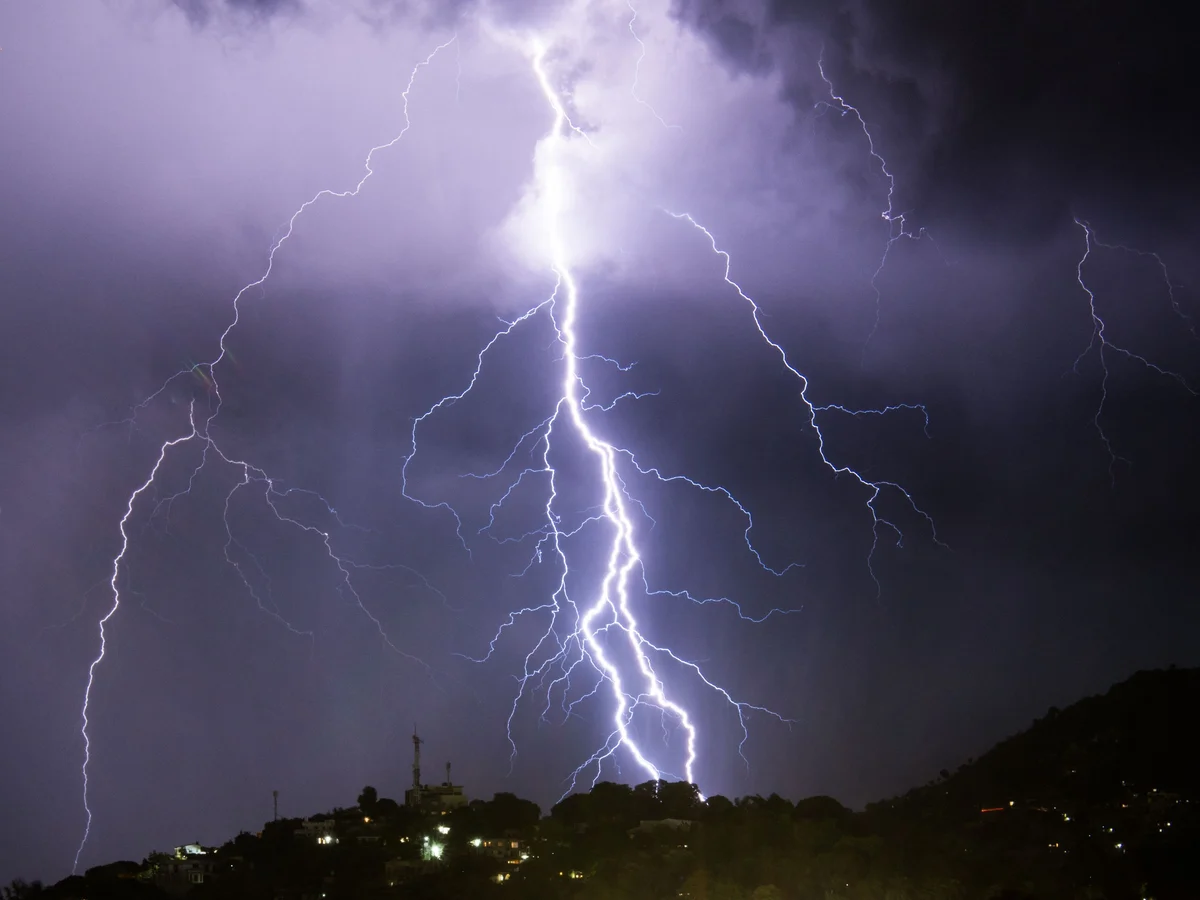
| Thunderstorms and lightning | Move indoors and away from exposed beaches, open areas and isolated trees. |
| Flash flood warnings | Avoid flood-prone roads, gullies, rivers and low-lying areas. |
| Tropical storm or hurricane warnings | Follow official instructions, shelter or evacuate when directed, and avoid unnecessary travel. |
Remember that flash flooding can occur even when rain appears to be easing. Water can rise quickly in low-lying areas, river channels and roads with poor drainage.
3. Never drive or walk through floodwater
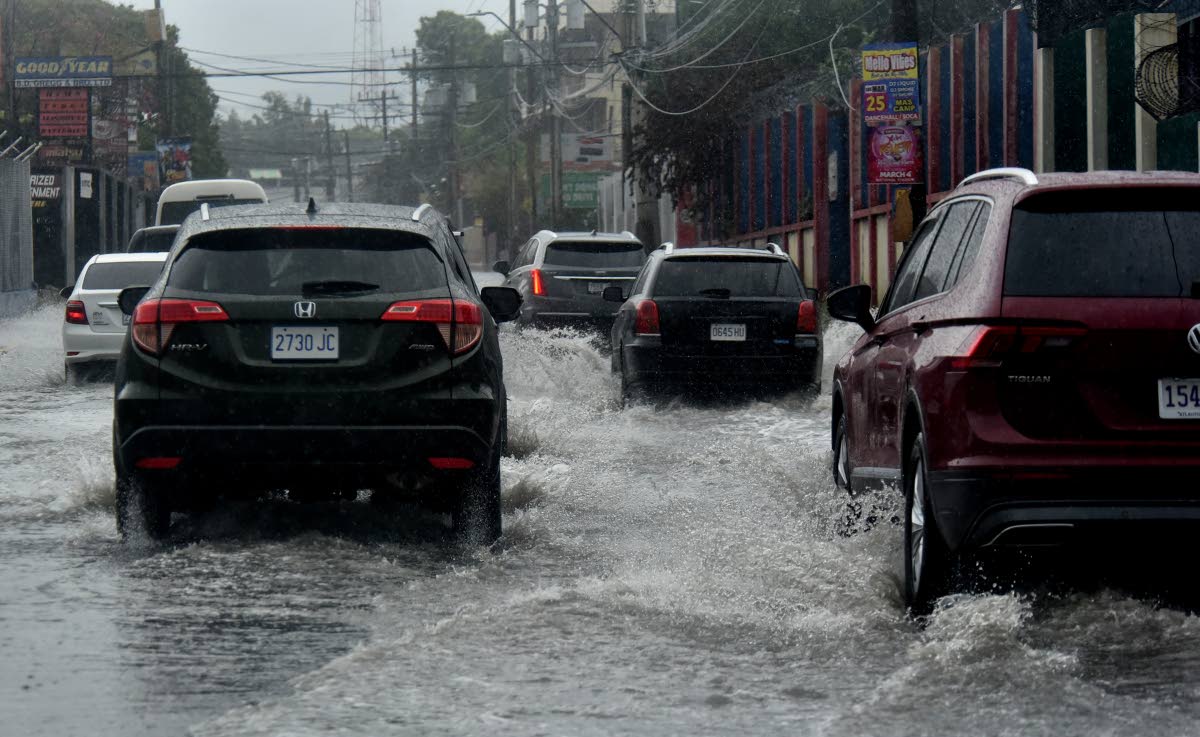
This is one of the most important safety rules for anyone travelling in the Caribbean.
Heavy rain can cause roads to flood, bridges to become unsafe and drainage channels to overflow. Floodwater can conceal potholes, debris, damaged road surfaces and open drains. Moving water can also be powerful enough to sweep people and vehicles away.
If you encounter a flooded road:
- Turn around and find a safer route.
- Do not attempt to drive through water of unknown depth.
- Never walk, swim or wade through moving floodwater.
- Avoid crossing rivers or gullies after heavy rainfall.
- Follow road closures and instructions from local authorities.
Do not assume a road is safe because other vehicles have passed through it. If a route looks dangerous, delay the journey until conditions improve and authorities confirm it is safe.
4. Be careful around beaches, rivers and waterfalls

Caribbean rain can affect more than your plans on land. It can also make swimming and water-based excursions dangerous.
Heavy rainfall may increase river flow, reduce visibility in the water and contribute to stronger currents. Storms can also create rough seas, dangerous surf and rip currents.
If you are planning to visit a waterfall, river attraction, beach or boat excursion:
- Confirm that the attraction is open and operating safely.
- Follow lifeguard instructions, warning flags and local advisories.
- Avoid rivers and waterfalls during or immediately after heavy rainfall when water levels or currents may rise.
- Do not enter the sea during thunderstorms or when surf conditions are dangerous.
- Postpone boat trips and water sports if the operator or authorities advise against them.
A popular attraction is not automatically safe in poor weather. If a tour operator cancels an excursion because of dangerous conditions, treat that decision seriously.
5. Pack the right items for rainy Caribbean weather

A little preparation can make rainy days much easier to manage. You do not need to pack for a major storm every time you travel, but a few practical items can help you stay comfortable and protect essential belongings.
Consider bringing:
- A lightweight rain jacket or compact umbrella.
- Comfortable, non-slip footwear.
- A waterproof pouch for your phone and important documents.
- A small dry bag for electronics and valuables.
- Quick-drying clothing and an extra change of clothes.
- A portable power bank and charging cable.
- Any necessary medication and a basic first-aid kit.
- Copies of your passport, travel insurance and booking details stored securely online.
Keep your passport, cash, bank cards and travel documents in a waterproof pouch when travelling between destinations.
If severe weather is forecast, follow local preparedness advice and ask your accommodation what emergency supplies and procedures are available.
6. Be aware of landslides and unsafe mountain roads
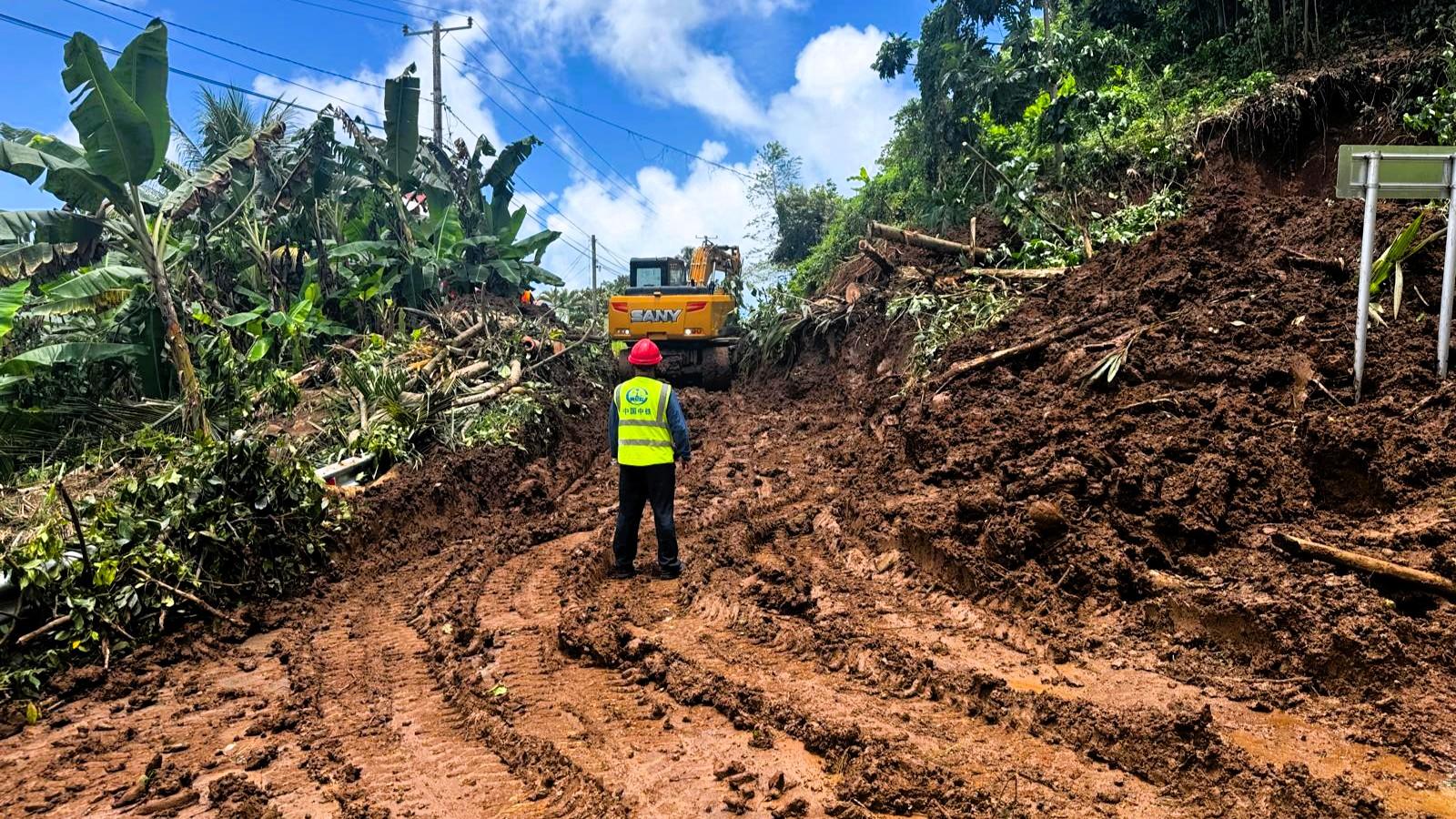
Many Caribbean islands feature mountainous interiors, winding roads and steep hillsides. These landscapes are beautiful, but heavy or prolonged rainfall can increase the risk of landslides, falling rocks and road damage.
Take additional care when travelling through rural or mountainous areas.
- Avoid unnecessary drives through steep terrain during severe rainfall.
- Do not stop beneath unstable slopes or areas where rocks are falling.
- Watch for road closures, debris and damaged bridges.
- Use reputable local drivers who understand the route and current conditions.
- Follow evacuation instructions if your area is identified as at risk.
If a road is closed, do not attempt to bypass the barrier or follow an unofficial route through a potentially dangerous area.
7. Know what to do if a hurricane or tropical storm approaches
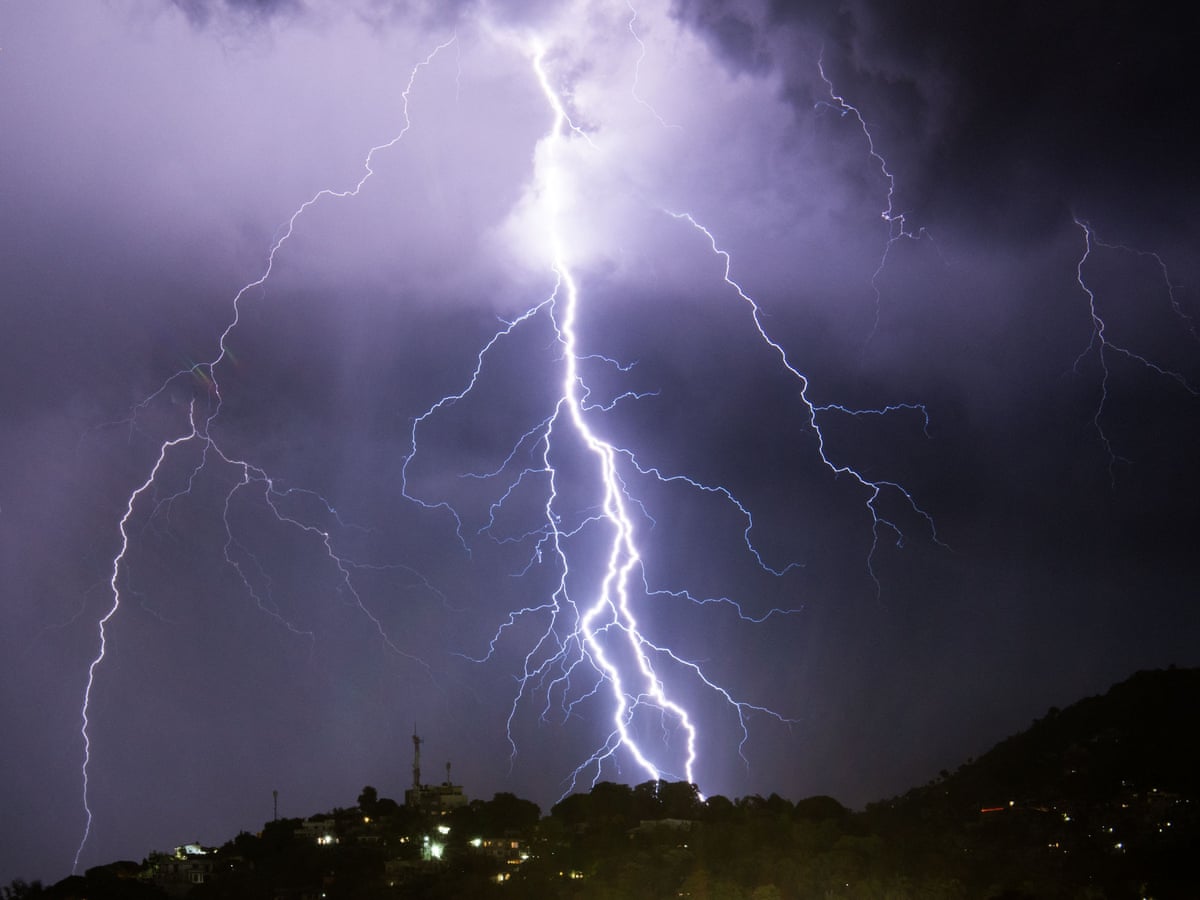
The Atlantic hurricane season officially runs from June 1 to November 30, although tropical weather systems can occasionally occur outside that period.
Travelling during hurricane season does not automatically mean you should cancel your holiday. It does mean that you should understand your destination's weather risks, monitor forecasts and make flexible plans.
If a tropical storm or hurricane threatens your destination:
- Contact your accommodation. Ask about emergency procedures, shelter arrangements and evacuation plans.
- Monitor official advisories. Follow the destination's meteorological service and disaster-management authority.
- Keep essential documents accessible. Secure your passport, medication, money, phone and chargers.
- Contact your airline or travel provider. Confirm the status of flights, transfers, tours and any rebooking arrangements.
- Follow evacuation instructions. Leave promptly if authorities direct you to evacuate.
- Stay sheltered when instructed. Do not go outside to take photographs or travel to another area during dangerous conditions.
Never assume that an airport, port or road will remain operational during a major storm. Transport services may be suspended, and available alternatives can become limited.
For more information, visit the National Hurricane Center and check the relevant destination's official emergency-management resources.
8. Protect your health after heavy rainfall
 Flooding can contaminate water and expose people to sewage, animal waste and other hazards. Conditions following severe weather may also include damaged infrastructure, fallen power lines and interrupted public services.
To reduce your risk:
- Avoid contact with floodwater whenever possible.
- Wash your hands after exposure to contaminated surfaces or water.
- Follow local guidance on drinking water and food safety.
- Wear suitable footwear when walking through areas with debris.
- Do not touch fallen electrical wires or damaged electrical equipment.
- Seek medical advice if you become unwell after possible exposure to contaminated water.
If authorities issue a water-quality advisory, follow their instructions and use safe drinking water for drinking, brushing your teeth and preparing food as directed.
Travellers should also be cautious about insects after rainfall. Use suitable insect repellent and follow local health recommendations.
9. Plan indoor activities for rainy days

Rain does not have to mean spending your entire holiday in your room. When conditions are safe, consider activities that do not depend on clear skies.
Depending on your destination, alternatives may include:
- Museums and cultural attractions.
- Local restaurants and food experiences.
- Shopping centres and craft markets.
- Indoor entertainment and wellness facilities.
- Cooking classes or other cultural workshops.
- Relaxing at your accommodation with a flexible itinerary.
Check opening hours and operating status before setting out. During severe weather, however, staying indoors and avoiding unnecessary movement is more important than keeping your itinerary.
A flexible travel plan gives you room to move an excursion to another day without feeling pressured to take risks.
10. Review your travel insurance and booking policies
Weather disruptions can affect flights, ferries, excursions, hotel stays and ground transportation. Before travelling, understand what your travel insurance covers and what your booking terms allow.
Review the following:
- Whether your insurance covers trip interruption or cancellation caused by severe weather.
- Whether emergency accommodation or additional transport may be covered.
- The cancellation and rescheduling terms for your hotel and excursions.
- Your airline's policies for weather-related delays and cancellations.
- How to contact your travel provider if your plans change.
Coverage varies by policy. Some policies exclude certain events or require insurance to be purchased before a storm becomes a known event. Read the terms carefully rather than assuming every weather-related expense will be reimbursed.
Keep confirmation emails and receipts in case you need to make a claim.
11. Keep communication and emergency plans simple
If you are visiting an unfamiliar island, know who to contact if conditions deteriorate.
Save your accommodation's contact information, your tour operator's number, your airline details and the local emergency number. Share your itinerary with a trusted friend or family member, particularly if you plan to explore remote areas.
If you are travelling with children, older relatives or anyone who may need assistance, agree on a simple plan for staying together and reaching a safe location.
For emergencies, use the local emergency services number and follow instructions from the relevant authorities. Emergency numbers and response arrangements vary across Caribbean destinations, so confirm the correct information for the island you are visiting.
Frequently Asked Questions
Is it safe to visit the Caribbean during the rainy season?
It can be. Rainy-season travel is common, and many destinations continue to welcome visitors. However, conditions vary by island and date. Check the forecast, understand the hurricane risk and follow official warnings before travelling.
What months are rainy season in the Caribbean?
Rainfall patterns differ across the region. Many destinations experience wetter periods during parts of the year, while the Atlantic hurricane season runs from June through November. Check the climate and forecast for your specific destination rather than relying on a single region-wide calendar.
Should I cancel my Caribbean holiday if rain is forecast?
Not necessarily. A forecast for ordinary showers does not automatically mean your trip is unsafe. Review the severity of the forecast, local advisories and cancellation terms. If authorities issue serious warnings or recommend avoiding travel, follow their guidance.
Is it safe to swim in the Caribbean Sea when it is raining?
Light rain alone does not always make swimming unsafe, but thunderstorms, rough surf, strong currents and poor visibility can. Follow local beach warnings and lifeguard instructions, and leave the water when lightning or dangerous conditions are present.
What should I do if my flight is cancelled because of a storm?
Contact your airline or travel provider through its official channels, check available rebooking options and retain relevant receipts. If you are already at your destination, ask your accommodation about extending your stay and review your travel insurance coverage.
Can I still go sightseeing during heavy rain?
Only if local conditions are safe. Indoor activities may be suitable during ordinary showers, but flash flood warnings, thunderstorms, landslide risks and tropical storm alerts can make sightseeing dangerous. Postpone outings when necessary.
Final Thoughts: Enjoy the Caribbean, but Travel Prepared
Rainy weather is part of the Caribbean's tropical environment, and it does not have to define your holiday. With the right preparation, reliable weather information and a flexible itinerary, you can make sensible decisions and enjoy your destination when conditions allow.
Check forecasts before setting out, pack practical rain protection, avoid flooded roads and dangerous waterways, and take official weather warnings seriously. Most importantly, do not let the pressure to keep your holiday plans turn a manageable delay into an unnecessary risk.
At IslandCraze Travels, we believe a better trip starts with better planning. Explore destinations, compare travel options and prepare for your next Caribbean getaway with a flexible approach to travel.
Plan your next island escape with IslandCraze Travels: https://www.islandcrazetravels.com/
Recommended authoritative external sources
- National Hurricane Center — tropical storm and hurricane advisories.
- Jamaica ODPEM public education resources — flood, landslide and hurricane preparedness.
- Jamaica Tourist Board travel alerts — destination-specific visitor information for Jamaica.
Written by Island Craze Travels