Solo Travel in the Caribbean: 6 Best Islands, Costs & Safety Tips
Planning a solo Caribbean holiday? Explore six islands worth considering, compare travel costs, discover things to do and learn practical safety tips.
In this guide
- What makes a Caribbean island good for solo travel?
- 1. Aruba: An appealing choice for a first solo beach holiday
- 2. Curaçao: For travellers who want more than a beach holiday
- 3. Barbados: For beaches, food and a lively social scene
- 4. Puerto Rico: For city exploration, history and outdoor adventures
- 5. Jamaica: For culture, music, food and natural attractions
- 6. Dominican Republic: For resort convenience and organised excursions
- How much does a solo trip to the Caribbean cost?
- Where solo travellers can save money
- How to plan a safer solo trip in the Caribbean
- Research the area, not just the country
- Confirm your first night's accommodation
- Arrange airport transportation before arrival
- Make a plan for evenings
- Keep someone informed
- Protect your documents and money
- Choose excursions carefully
- Get appropriate travel insurance
- Solo female travel in the Caribbean
- How to meet people when travelling alone
- A realistic seven-day itinerary for your first solo Caribbean holiday
- When is the best time to travel solo to the Caribbean?
- What should you pack for a solo Caribbean holiday?
- Frequently asked questions about solo travel in the Caribbean
- Is the Caribbean a good region for solo travel?
- Which Caribbean island is best for a first solo trip?
- Is it safe to travel alone in the Caribbean?
- Can women travel alone in the Caribbean?
- How much money do I need for a solo Caribbean holiday?
- How can I meet other travellers on a solo trip?
- Is it better to book a package or organise a solo trip independently?
- Your Caribbean solo adventure starts with the right plan
Imagine spending the morning exploring a historic Caribbean town, stopping for lunch at a local restaurant and ending the afternoon on a beach you chose simply because it caught your attention. There is no need to coordinate plans, negotiate schedules or compromise on what you want to do.
That freedom is one of the biggest attractions of solo travel.
The Caribbean offers plenty of opportunities for independent travellers. You could explore the historic streets of Curaçao, enjoy the beaches and restaurants of Barbados, discover Puerto Rico's food scene or experience Jamaica's music and natural attractions.
But choosing where to go involves more than finding a beautiful beach. Accommodation costs, transportation, activities, opportunities to meet people and local safety conditions can all influence how enjoyable a solo holiday will be.
This guide explores six Caribbean destinations worth considering for a solo trip, what makes each one appealing, what to consider before booking and how to plan a holiday that balances independence, affordability and personal safety.
What makes a Caribbean island good for solo travel?
A destination can be excellent for couples or families but less convenient for someone travelling independently. The important question is not simply whether an island is beautiful, but how easily you can experience it on your own.
Consider transportation first. Some destinations have established public transport or concentrated tourist districts, while others require a rental vehicle, private transfers or organised excursions to reach many attractions.
Accommodation matters just as much. A reasonably priced hotel may not be particularly convenient if it is far from restaurants, beaches and reliable transport. For solo travellers, paying slightly more for a well-located property can sometimes save money and time elsewhere.
It is also worth considering how you want to spend your days. If you enjoy meeting people, destinations with group excursions, walking tours, boat trips and cultural activities can make it easier to connect with other visitors. If you prefer solitude, you may place more importance on quiet accommodation and accessible beaches.
Finally, research the particular neighbourhoods you intend to visit. Safety conditions vary between destinations and within individual islands, so general descriptions of a country should never replace current travel advice and local research.
1. Aruba: An appealing choice for a first solo beach holiday
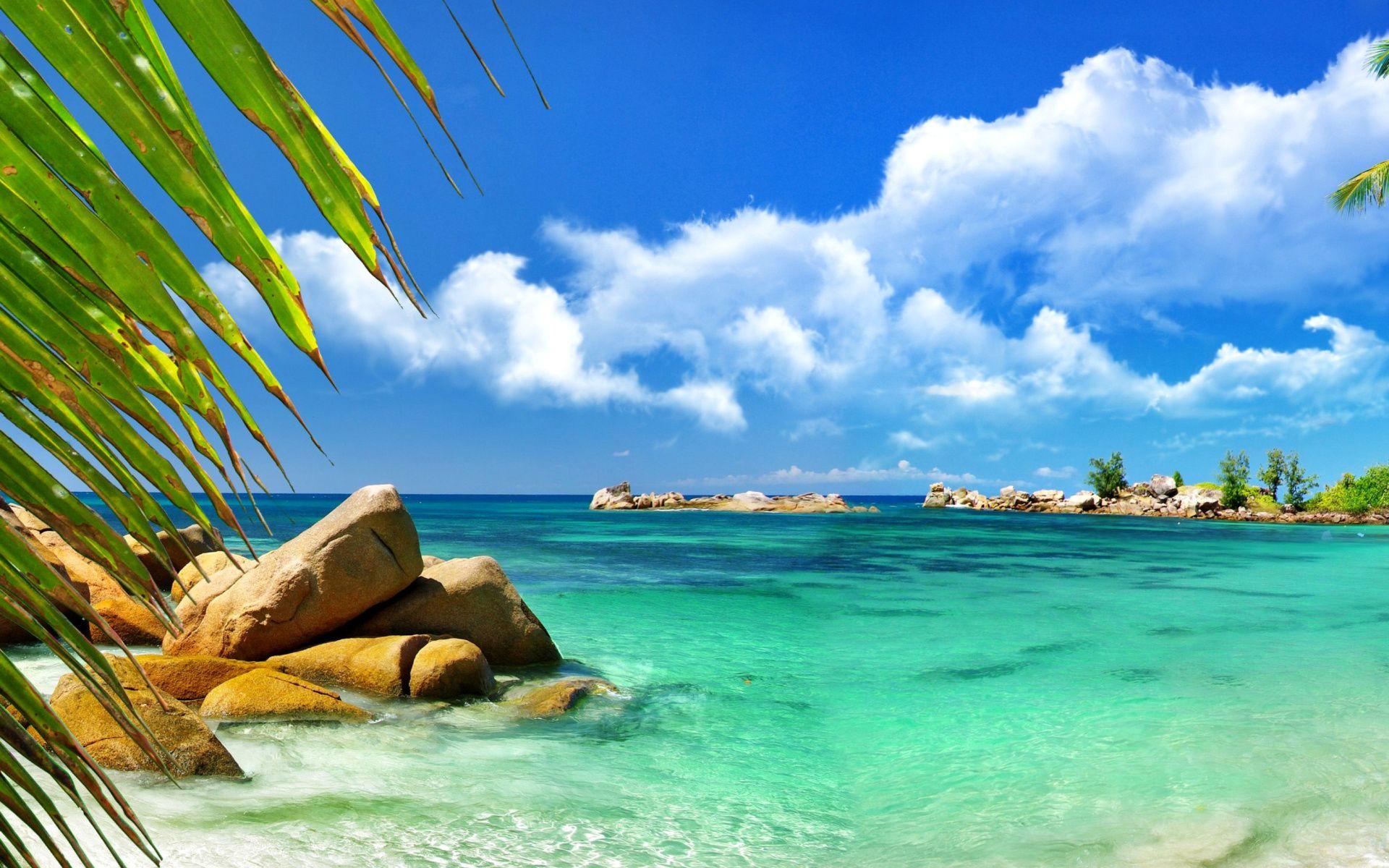
Aruba is a strong option if your idea of solo travel involves beautiful beaches, comfortable accommodation and a holiday that does not require an overly complicated itinerary.
The island's main tourist areas, particularly around Palm Beach and Eagle Beach, have a concentration of hotels, restaurants, shops and organised activities. That can be useful when you are travelling alone and would rather not spend much of your holiday figuring out how to get from one place to another.
There is more to Aruba than its resorts, however. Oranjestad offers colourful Dutch Caribbean architecture, shopping and opportunities to experience the island's history. Away from the main hotel areas, the landscape becomes considerably drier and more rugged, providing a different perspective on the destination.
A solo traveller could divide a week between beach days, a sailing excursion, exploring the capital and a guided tour of the island.
One thing to account for is the cost. Aruba is not necessarily the most affordable Caribbean destination, particularly if you want beachfront accommodation or plan to eat out regularly. Compare properties beyond the most expensive hotel strips, but consider the additional transportation costs before choosing somewhere farther away.
A useful way to experience Aruba: Stay in or near a well-connected tourist area, then use organised excursions to explore places that would otherwise require more complicated transport arrangements.
Worth considering if: You want a beach-focused holiday, convenient tourist services and organised activities without needing to build an extensive itinerary.
2. Curaçao: For travellers who want more than a beach holiday

Curaçao has a character that makes it particularly interesting for independent travellers. Its appeal extends beyond the beaches to its architecture, food, history and distinct local culture.
The capital, Willemstad, is one of the island's defining attractions. Its colourful waterfront buildings, historic districts and pedestrian-friendly areas provide plenty to explore without spending every day on an organised excursion. You can walk through Punda and Otrobanda, visit local businesses, enjoy waterfront restaurants and learn about the island's history.
The beaches are another major attraction, but many of the most appealing swimming spots are spread across the island. This is where planning becomes important. If you intend to visit several beaches, check whether your accommodation offers convenient transport access or whether a rental vehicle would make the trip easier.
Curaçao is also known for snorkelling and diving. Joining a guided excursion is a practical way to experience the marine environment while meeting other travellers.
A useful way to experience Curaçao: Spend a couple of days exploring Willemstad before arranging guided excursions or transport to beaches outside the capital.
Worth considering if: You enjoy history, architecture, local food, snorkelling and exploring independently.
3. Barbados: For beaches, food and a lively social scene

Barbados offers a combination of coastal relaxation, restaurants, cultural attractions and nightlife that can work particularly well for solo travellers who want variety.
The island has several distinct areas worth exploring. The west coast is known for its beaches and resort properties, while the south coast has a lively mix of restaurants, accommodation and entertainment. Bridgetown provides a different experience, with historic sites, shopping and an opportunity to learn more about Barbadian heritage.
Food is a particularly good reason to explore beyond your hotel. From traditional Bajan dishes to seafood restaurants and casual local food spots, there are plenty of opportunities to make dining part of the holiday rather than simply a necessity between activities.
Barbados also has organised catamaran cruises, island tours and cultural experiences. These are useful options if you want to spend some time with other visitors without having to organise a group yourself.
Accommodation prices vary considerably by location and season. A property on the west coast may offer a very different price from one farther inland or on the south coast. When comparing options, look at how easily you can reach the places you actually want to visit.
A useful way to experience Barbados: Choose accommodation near the activities and restaurants you are most interested in, then combine beach days with cultural outings and group excursions.
Worth considering if: You want a balance of beaches, local food, social opportunities and evening entertainment.
4. Puerto Rico: For city exploration, history and outdoor adventures
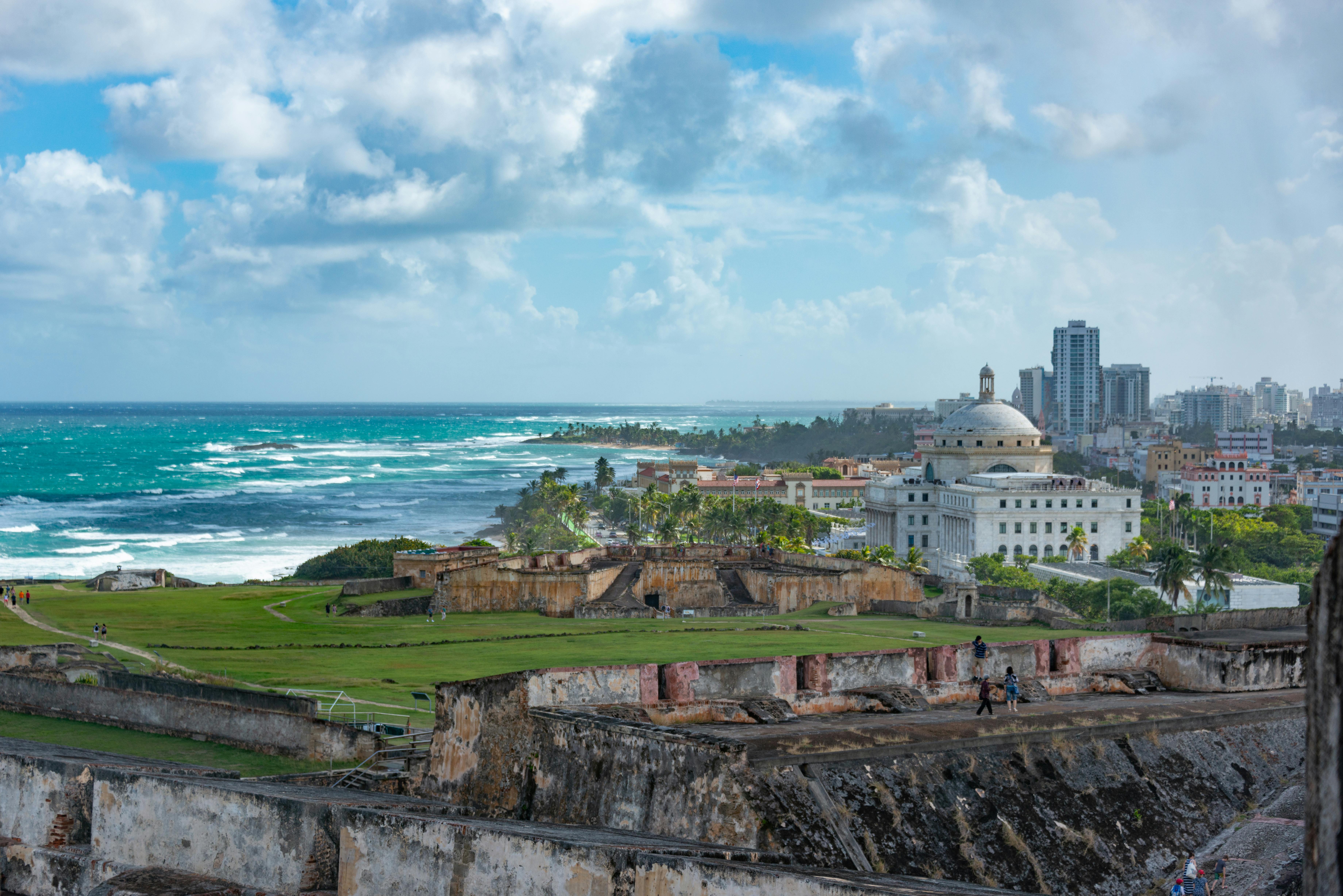
Puerto Rico offers a different kind of Caribbean holiday. Rather than being centred primarily around beach resorts, it combines historic neighbourhoods, restaurants, nightlife, natural attractions and coastal experiences.
San Juan is a particularly useful starting point for a solo trip. Old San Juan is known for its colourful streets, historic buildings, forts and waterfront views. It is an appealing area to explore on foot, especially if you enjoy photography, architecture, museums and local food.
There are also beaches within reach of the city, while destinations farther afield offer opportunities for hiking, nature excursions and exploring other parts of the island.
The main consideration is transportation. You can explore many parts of San Juan without a car, but reaching more distant attractions may require a rental vehicle, organised tour or other transport arrangements. It is worth planning those trips before booking accommodation.
Another important consideration is entry eligibility. Puerto Rico is a United States territory, but international visitors should not assume that U.S. entry rules are the same for every nationality. Check the requirements that apply to your passport, immigration status and travel circumstances before booking flights.
A useful way to experience Puerto Rico: Use San Juan as your base, explore the historic district and nearby beaches, then reserve separate days for organised excursions beyond the city.
Worth considering if: You enjoy cities, history, food, nightlife and having several different types of activities within one destination.
5. Jamaica: For culture, music, food and natural attractions

Jamaica has a lot to offer solo travellers, particularly those interested in experiencing Caribbean culture beyond the traditional resort holiday.
The island's appeal is its variety. Negril offers a laid-back coastal atmosphere, Ocho Rios provides access to several well-known natural attractions, Montego Bay has an established tourism industry, and Kingston offers a deeper look at Jamaica's music, food, history and creative culture.
For someone travelling alone, these differences make it important to decide what kind of holiday they want before choosing accommodation. Jamaica is a large island, and moving between destinations can take considerably longer than a map might suggest.
A week based in Negril, for example, could focus on beaches, local restaurants and selected excursions. A stay in Ocho Rios could be built around waterfalls, nature experiences and organised tours. Kingston would offer a more urban itinerary centred on music, heritage, food and cultural attractions.
There are opportunities to join guided experiences across the island, which can be particularly useful if you are unfamiliar with the area.
However, safety planning deserves careful attention. Conditions vary by location, and travellers should research their accommodation area, arrange reliable airport transfers and use reputable transportation and excursion providers. Avoid assuming that every neighbourhood or tourist area has the same risk profile.
Before departure, consult the official U.S. travel advisory for Jamaica or the relevant advice issued by your own government.
A useful way to experience Jamaica: Choose one main destination rather than trying to cover the entire island in a short visit. Arrange excursions through reputable providers and plan longer journeys in advance.
Worth considering if: You want music, food, culture, beaches and outdoor activities, and are prepared to research your itinerary carefully.
6. Dominican Republic: For resort convenience and organised excursions
The Dominican Republic is worth considering if you want a holiday where accommodation and organised activities can form the centre of your itinerary.
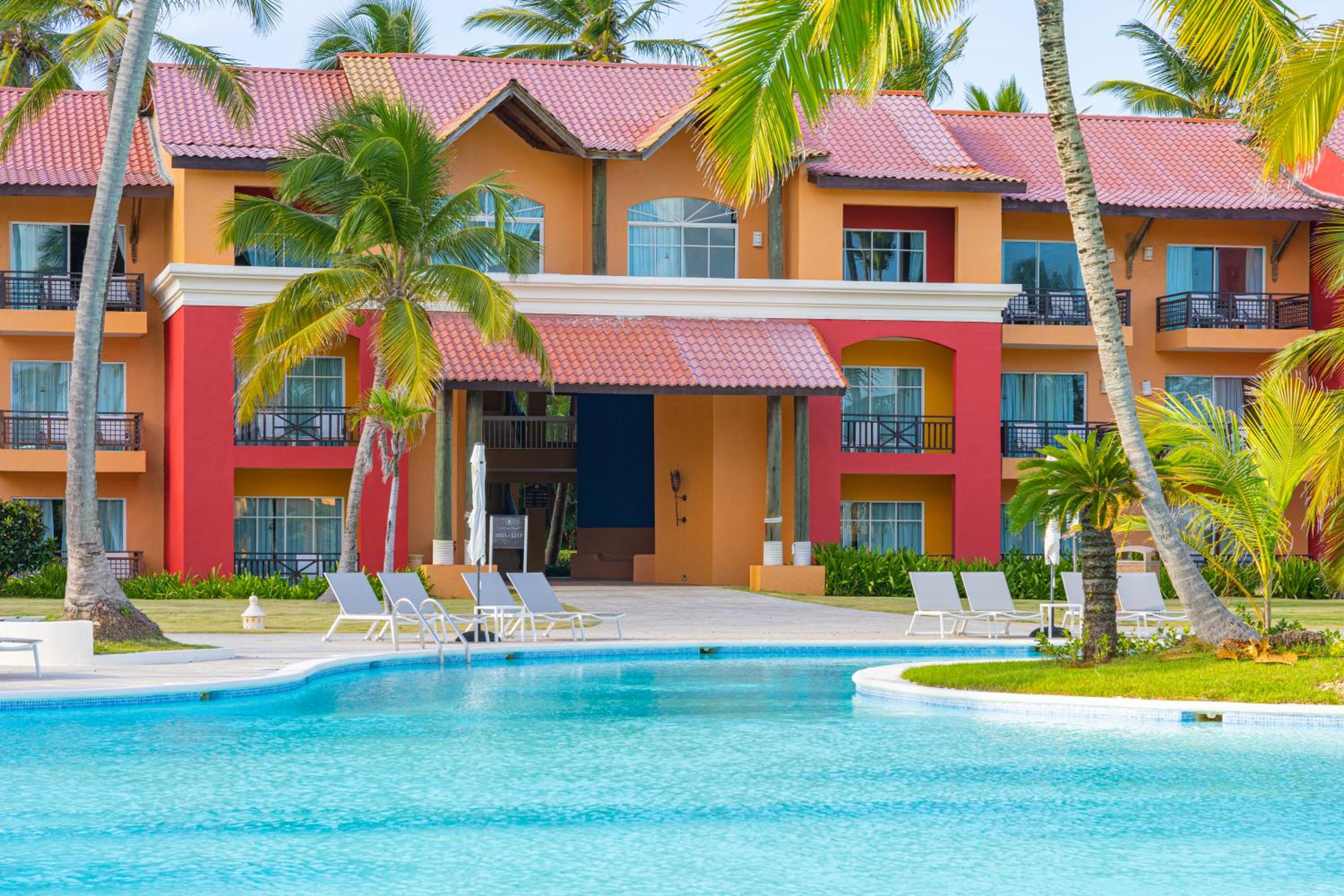
Punta Cana is particularly well known for its resort properties, beaches and excursions. For a solo traveller who wants to spend much of the holiday relaxing, an all-inclusive property can simplify the experience by bringing meals, entertainment and some activities together in one place.
However, staying at a resort does not mean you have to spend the entire trip there. Group catamaran trips, snorkelling excursions and guided cultural tours can provide opportunities to explore and meet other visitors.
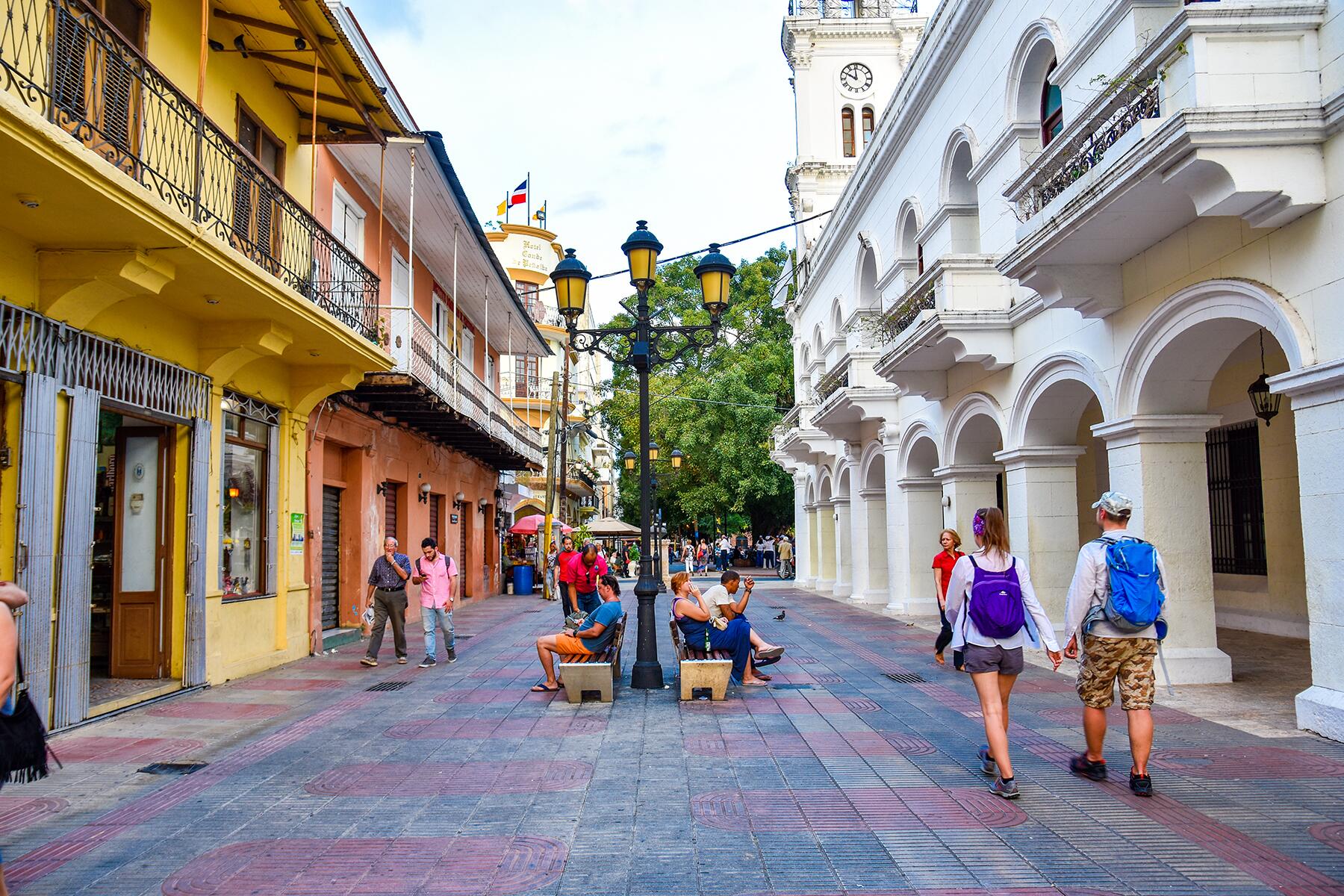
Santo Domingo offers a different experience. Its Colonial Zone is known for historic architecture, museums, restaurants and cultural attractions. It is a more urban option for travellers who want to explore beyond the resort environment.
The two experiences are quite different, so it is worth deciding whether you want a resort-based holiday or a more independent city stay. If you plan to visit both, allow enough time for the journey and check transport arrangements before committing to an itinerary.
Research your specific accommodation and surrounding area, use established transportation providers and choose excursion operators with credible reviews and clear safety procedures.
A useful way to experience the Dominican Republic: Compare the full cost of an all-inclusive stay with a hotel-only booking, including meals, airport transfers and activities. The cheapest room rate will not always produce the lowest overall holiday cost.
Worth considering if: You want resort amenities, organised activities and the option to explore local culture through guided experiences.
How much does a solo trip to the Caribbean cost?
One of the biggest differences between travelling alone and travelling with someone else is accommodation.
A hotel room that costs US$150 per night does not necessarily become US$75 because you are travelling with one other person. If you travel alone, you may have to cover the full room cost yourself. This can make accommodation a larger part of your holiday budget.
The following figures provide broad planning estimates for a seven-night trip. They include accommodation, meals, local transportation and a modest allowance for activities, but exclude international flights.
| Destination | Illustrative seven-night budget |
|---|---|
| Dominican Republic | US$550–1,100 |
| Jamaica | US$600–1,200 |
| Curaçao | US$650–1,300 |
| Puerto Rico | US$700–1,400 |
| Barbados | US$700–1,500 |
| Aruba | US$750–1,600 |
These ranges are indicative planning allowances, not live quotes, guaranteed minimums or a definitive ranking of the cheapest islands. Actual spending depends on travel dates, accommodation standards, location, dining choices and excursions. A beachfront hotel or all-inclusive resort could push the total considerably higher.
It is also important to distinguish between destinations where you can comfortably rely on public transport and those where you may need to budget for taxis, rental vehicles or organised transfers.
Where solo travellers can save money
Be flexible about accommodation location. A hotel slightly away from the beach may be considerably less expensive. However, calculate the additional transportation costs before deciding that it offers better value.
Avoid changing hotels unnecessarily. Staying in one well-located property for most of the trip can reduce transfer expenses and give you more time to explore.
Use group excursions strategically. A group tour can be more economical than arranging a private guide, particularly for activities that require transport or specialist equipment.
Compare packages with separate bookings. A flight-and-hotel package may offer convenience or better overall value, but compare the complete price and check baggage, transfers, cancellation terms and other inclusions.
Look beyond the advertised room rate. Taxes, resort fees, deposits and single-occupancy pricing can change the final amount you pay.
How to plan a safer solo trip in the Caribbean
Travelling alone does not mean you need to avoid unfamiliar experiences. It does mean that you should make certain arrangements before putting yourself in situations where you have limited support.
The most useful safety decisions often happen before you leave home.
Research the area, not just the country
An island's overall reputation tells you very little about the conditions around a particular hotel or attraction. Look into the neighbourhood, nearby transport, walking routes and access to restaurants and essential services.
Check current government travel advisories before departure. These can change, so an article published months ago should not be treated as a substitute for current guidance.
Confirm your first night's accommodation
Arriving in an unfamiliar destination without somewhere confirmed to stay can create unnecessary complications. Book your initial accommodation in advance, verify the address and keep your booking details available offline.
Check recent guest reviews, including comments about the surrounding area, staff, access arrangements and security.
Arrange airport transportation before arrival
Know how you will get from the airport to your accommodation. Use authorised taxis, established transport services or transfers arranged through a reputable hotel or tour operator.
This is particularly important if your flight arrives late at night or you are unfamiliar with the destination.
Make a plan for evenings
You do not have to avoid nightlife because you are travelling alone, but you should know how you will get back to your accommodation before going out.
Use reputable transport, keep control of your drinks and avoid depending on someone you have just met to get you home. If an environment makes you uncomfortable, leave.
Keep someone informed
Share your accommodation details and general itinerary with someone you trust. Let them know when you expect to arrive at major destinations and check in periodically, particularly when taking remote excursions or boat trips.
Protect your documents and money
Keep backup payment methods separate from your everyday wallet. Store your passport securely when it is not needed, and avoid carrying more cash than you expect to use.
Keep digital copies of important travel documents in a secure location and make sure you can access essential booking information without an internet connection.
Choose excursions carefully
Before booking a boat trip, hiking excursion or adventure activity, check the operator's reputation, recent reviews, safety procedures and cancellation conditions.
For water-based activities, ask about equipment, guides and any relevant insurance arrangements. A low price should not be the only factor influencing your decision.
Get appropriate travel insurance
Travel insurance can help with unexpected medical expenses, trip interruptions and other travel-related problems, depending on the policy.
Read the exclusions carefully, especially if you intend to scuba dive, participate in adventure sports or travel during hurricane season. Check whether emergency medical assistance and evacuation are included.
Solo female travel in the Caribbean
Women travelling alone may have additional considerations around unwanted attention, accommodation security, harassment and getting around after dark.
Experiences differ considerably between destinations and individuals. It is more useful to approach each trip with practical preparation than to assume that every island or neighbourhood presents the same circumstances.
A few measures can make independent travel more manageable:
- Choose accommodation with consistently strong reviews and suitable security arrangements.
- Research the surrounding area and how you will travel between activities.
- Use reputable taxis and transport providers rather than accepting unsolicited rides.
- Plan your return journey before going out in the evening.
- Keep your drink within sight and do not feel pressured to accept invitations or attention.
- Share your itinerary with someone you trust.
- Trust your judgement and leave situations that make you uncomfortable.
Group excursions, guided walking tours and organised cultural activities can also provide a comfortable way to explore while meeting other travellers.
The goal is not to limit your experience. It is to make sure that you can enjoy your independence without ignoring your personal boundaries.
How to meet people when travelling alone
Solo travel and social travel are not opposites. In fact, travelling independently can make it easier to decide when you want company and when you would rather explore by yourself.
Group excursions are one of the simplest ways to meet people. A catamaran cruise, food tour, historical walk or guided nature experience gives everyone a shared activity and an easy starting point for conversation.
You can also look for accommodation with communal spaces, such as guesthouses and hostels. These can create opportunities to meet other visitors, although you should review the property's security, location and recent guest feedback before booking.
Cooking classes, dance lessons and cultural workshops offer another way to connect with people while experiencing something local.
You do not need to make every day a social activity. A good solo itinerary should leave room for both: experiences shared with others and time to enjoy the destination independently.
A realistic seven-day itinerary for your first solo Caribbean holiday
If this is your first time travelling alone, keeping one main accommodation base for the week can make the trip easier to manage. You can still experience several attractions without the extra expense and logistics of moving between hotels.
| Day | Experience |
|---|---|
| 1 | Arrive, settle into your accommodation and familiarise yourself with the surrounding area. |
| 2 | Explore a local town, historic district or cultural attraction. |
| 3 | Join a guided excursion, boat trip or organised group activity. |
| 4 | Enjoy a relaxed beach day and try a local restaurant. |
| 5 | Visit a nature attraction or participate in an outdoor activity. |
| 6 | Leave room for another excursion, shopping or a cultural experience. |
| 7 | Enjoy a flexible final day, confirm your airport transfer and prepare for departure. |
The itinerary is a planning framework rather than a recommendation to visit every attraction in a particular order. Weather, opening hours, transport availability and excursion schedules can all affect what is practical.
When is the best time to travel solo to the Caribbean?
The period from December to April is generally popular with visitors seeking a Caribbean beach holiday. Many destinations experience relatively favourable conditions during these months, but demand is also higher around Christmas, New Year and other peak travel periods.
May and parts of November may offer opportunities to find better accommodation and flight prices, depending on the island and travel dates.
The Atlantic hurricane season runs from June 1 to November 30. Travelling during this period is possible, but it requires more attention to weather forecasts, flexible arrangements and travel insurance. Not every island experiences the same weather conditions, and a forecast for one part of the Caribbean should not be treated as representative of the entire region.
If you are hoping to experience local culture or meet other visitors, look into the festival and event calendar for your chosen destination. Barbados' Crop Over, Jamaica's festival season and other island celebrations can add a different dimension to a trip, although major events may also affect accommodation availability and prices.
What should you pack for a solo Caribbean holiday?
Packing for a solo trip is mostly about convenience. You will be responsible for your own luggage, documents and daily essentials, so it helps to avoid carrying things you do not need.
Consider bringing:
- Your passport and any required entry documents.
- Travel insurance details and emergency contact information.
- A primary payment card and a separate backup payment method.
- Your phone, charger and portable power bank.
- Comfortable walking shoes and beach footwear.
- Lightweight clothing, swimwear and sun protection.
- Insect repellent and any personal medication.
- A secure day bag for everyday essentials.
- Offline maps and copies of important booking confirmations.
Check the entry requirements for your nationality before departure. If your flight includes a connection through another country, check whether transit requirements apply as well.
Frequently asked questions about solo travel in the Caribbean
Is the Caribbean a good region for solo travel?
Yes. The Caribbean offers a wide range of experiences for independent travellers, from beaches and historic towns to guided excursions, outdoor activities and local food experiences. The right destination depends on your budget, interests, transport needs and comfort level.
Which Caribbean island is best for a first solo trip?
Aruba is worth considering if you want a beach-focused holiday with established tourist services. Curaçao offers a good mix of town exploration and outdoor activities, while Puerto Rico may appeal to travellers who enjoy cities, history and day trips. Research the current conditions and practical transport arrangements before choosing.
Is it safe to travel alone in the Caribbean?
Safety varies between destinations and individual neighbourhoods. No island can be guaranteed safe for every traveller. Research your accommodation area, use reputable transport, plan evening journeys carefully and follow current official travel advice.
Can women travel alone in the Caribbean?
Women do travel independently throughout the Caribbean, but experiences and risks vary by destination. Choosing reputable accommodation, planning transport, researching local conditions and maintaining sensible personal boundaries can help make a trip more manageable.
How much money do I need for a solo Caribbean holiday?
As an initial planning allowance, a seven-night trip could cost around US$550–1,600 or more before international flights. The final amount depends on the destination, accommodation, activities and transport. Solo travellers should pay particular attention to room rates because they may have to cover the full cost of a room themselves.
How can I meet other travellers on a solo trip?
Group excursions, boat trips, food tours, cultural workshops and accommodation with communal spaces can create opportunities to meet people. Choose activities you genuinely enjoy and maintain sensible personal boundaries.
Is it better to book a package or organise a solo trip independently?
Both approaches can work. A package may simplify the process by combining flights and accommodation, while independent bookings provide more flexibility. Compare the total cost, included services, transport arrangements and cancellation conditions before making a decision.
Your Caribbean solo adventure starts with the right plan
Travelling alone gives you the opportunity to experience a destination on your own terms. You can spend more time exploring the places that interest you, change your plans when something catches your attention and discover parts of the Caribbean that might otherwise be overlooked.
The best destination is not necessarily the most expensive or the most popular. It is the one that matches the experience you want, fits your travel budget and offers practical ways to explore independently.
Whether you choose Aruba for its beaches, Curaçao for its culture, Barbados for its food and social atmosphere, Puerto Rico for its city experiences, Jamaica for its music and heritage or the Dominican Republic for its resort options, thoughtful planning will make a difference.
When you are ready to compare your options, explore IslandCraze Travels to search flights, hotels and vacation packages for your next Caribbean getaway.
Your next island adventure does not have to wait for someone else's schedule.
Written by Island Craze Travels